



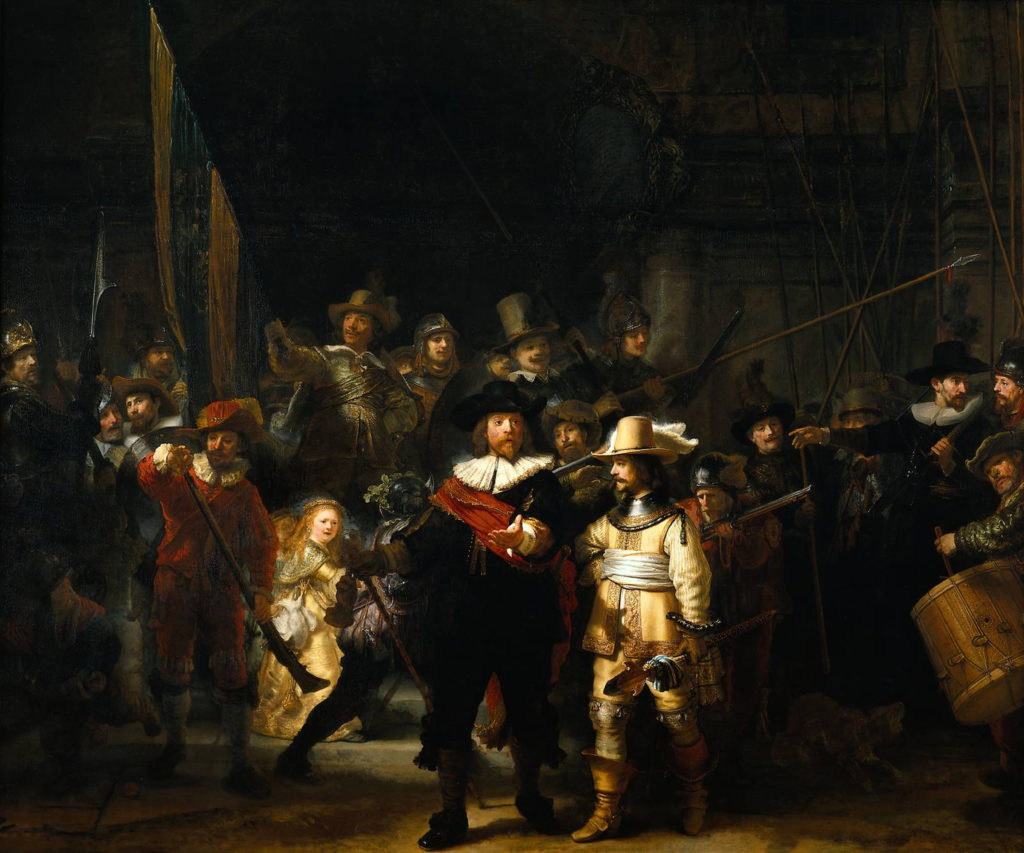
Rembrandt van Rijn (1606-1669) was one of the most celebrated Dutch painters of the 17th century, known for his portraits, self-portraits, biblical scenes and etchings. Born in Leiden, he built his career and his fame in Amsterdam, where he lived and worked for nineteen years in the house that is now Rembrandt House Museum. His life moved from early success to a near-bankruptcy that cost him almost everything he owned, and his work is still studied today for its use of light, shadow and raw human emotion.
According to Rembrandt House Museum, Rembrandt worked in this house on the Jodenbreestraat from 1639 until 1658, the years in which he painted some of his best known work and trained the painters who would carry his style into the next generation. Few artists are as closely tied to a single building: the atelier where he mixed his paint and the rooms where he raised his family still stand, filled with the objects and stories that shaped his life. This is his story, but you can experience it for yourself too: book your visit to Rembrandt House Museum today.
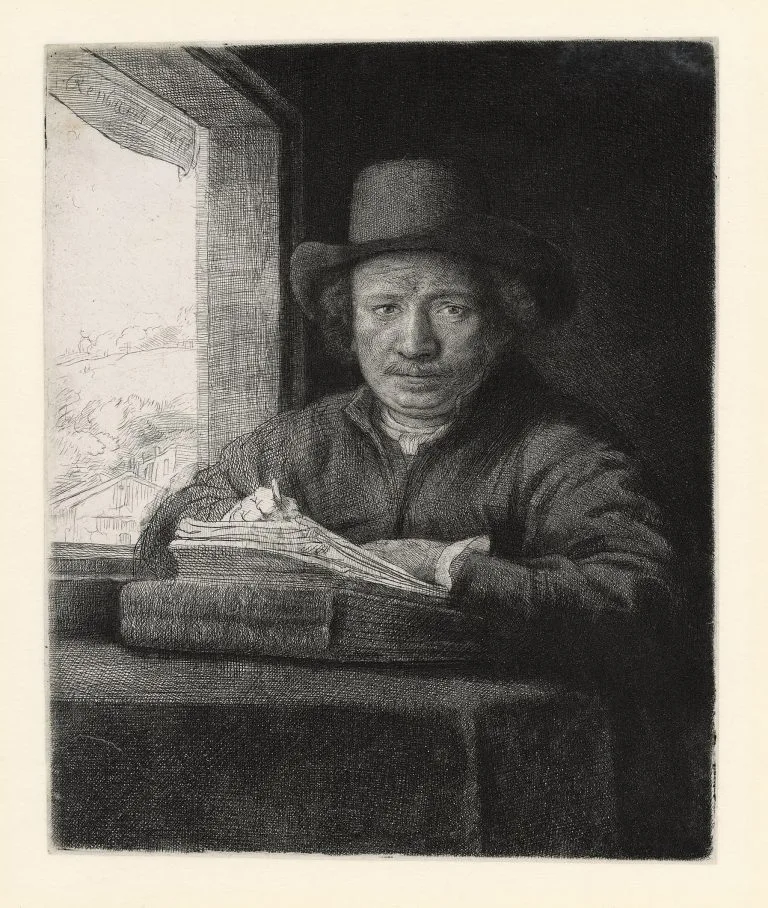
The dates below mark the key moments in the life of Rembrandt van Rijn, from his birth in Leiden to his death in Amsterdam.
| 1606 | Born in Leiden |
| 1631 | Moves to Amsterdam, aged 25, and quickly builds his reputation as a portrait painter |
| 1634 | Marries Saskia van Uylenburgh |
| 1639 | Buys the house on the Jodenbreestraat, now Rembrandt House Museum |
| 1641 | Son Titus is born, the only one of his and Saskia's four children to survive infancy |
| 1642 | Saskia dies |
| 1656 | Comes close to bankruptcy and sells almost everything he owns |
| 1658 | Sells the house on the Jodenbreestraat, aged 52 |
| February 1668 | Titus marries Magdalena van Loo |
| September 1668 | Titus dies of the plague, aged 27 |
| 1669 | Granddaughter Titia is born, six months after Titus's death |
| 4 October 1669 | Rembrandt dies in Amsterdam, aged 63 |
| 8 October 1669 | Buried in the Westerkerk |
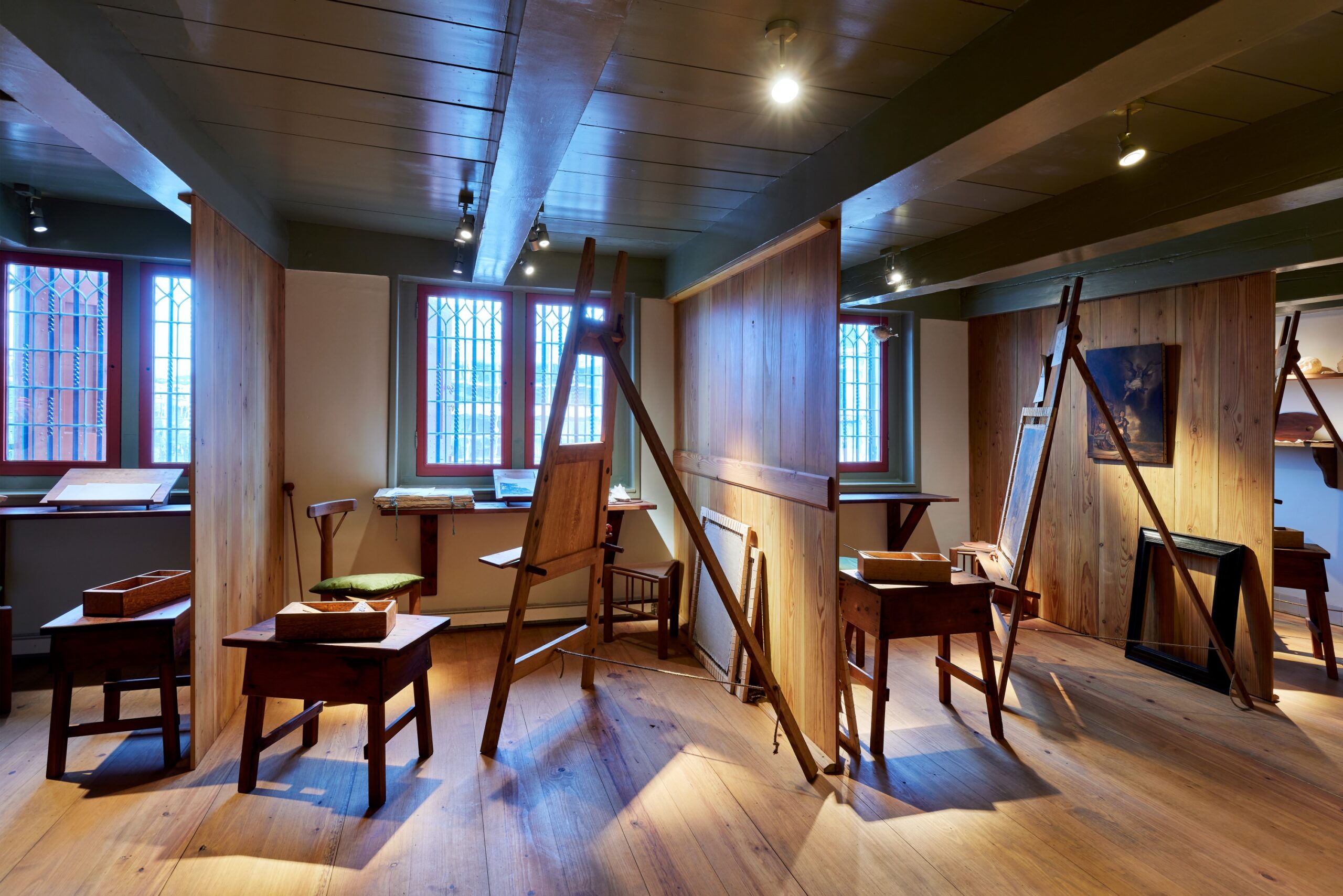
In 1639, at the height of his fame, Rembrandt bought a large house on the Jodenbreestraat, in a neighbourhood where many painters of the time lived and worked. It was an expensive purchase, around 13,000 guilders, a sum that would prove harder to pay off than he expected. But the house gave him what he needed: space to live with his family and to paint.
Before he bought the house, Rembrandt and Saskia rented a home elsewhere in the city that no longer exists today. The move to the Jodenbreestraat was a step up, both socially and professionally.
At the heart of the house is the atelier, lit by four large windows facing north, the steady, even light that painters of the 17th century relied on. It is in this room that Rembrandt painted, and where he trained the students who worked alongside him.
Elsewhere in the house was his Kunstcaemer, a room where he kept the exotic objects he collected at auctions held at the Brakke Grond, from Sumatran pepper to Chinese porcelain and Indian silk.
Rembrandt’s fortunes did not last. In 1656, seventeen years after buying the house, he found himself in serious financial trouble and narrowly avoided being declared bankrupt. An official from the city came to his door to draw up an inventory of everything he owned, and almost everything on it was sold at auction.
That inventory turned out to be more than a record of loss. It is the reason Rembrandt House Museum can show visitors the house largely as it looked in 1656: the rooms have been furnished based on the items listed on it. The original inventory itself is on display in the museum’s Epilogue room, alongside the story of how the reconstruction was made possible.
Rembrandt sold the house in 1658, when he was 52, and moved with his family to a rented home on the Rozengracht. He continued to paint for another eleven years, but he never owned a house of his own again.
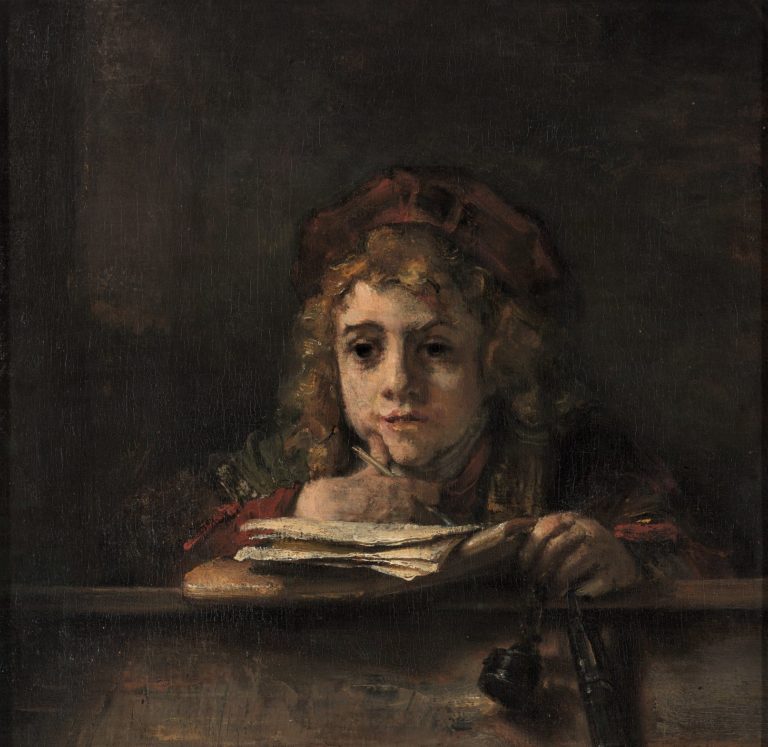
Rembrandt married Saskia van Uylenburgh in 1634. Together they had four children, but only one, Titus, born in 1641, survived past infancy; three of his brothers and sisters died shortly after birth and were buried near the Zuiderkerk. Saskia herself died in 1642, only a year after Titus was born.
After Saskia’s death, Rembrandt’s household included Geertje Dircx and later Hendrickje Stoffels, with whom he had a daughter, Cornelia. Hendrickje died a few years before Titus.
Titus grew up in the house on the Jodenbreestraat and later lived on the Singel. In February 1668 he married Magdalena van Loo, but he died that same year, in September, of the plague, at just 27 years old. Six months later, his daughter Titia was born, a granddaughter Rembrandt lived to see. After Rembrandt’s own death in 1669, his friend Abraham Francen, an apothecary and art collector, became the guardian of Cornelia, then fourteen years old.
The atelier on the Jodenbreestraat was not only Rembrandt’s own workspace. He trained young painters there, passing on his technique to a new generation of artists who went on to build their own careers.
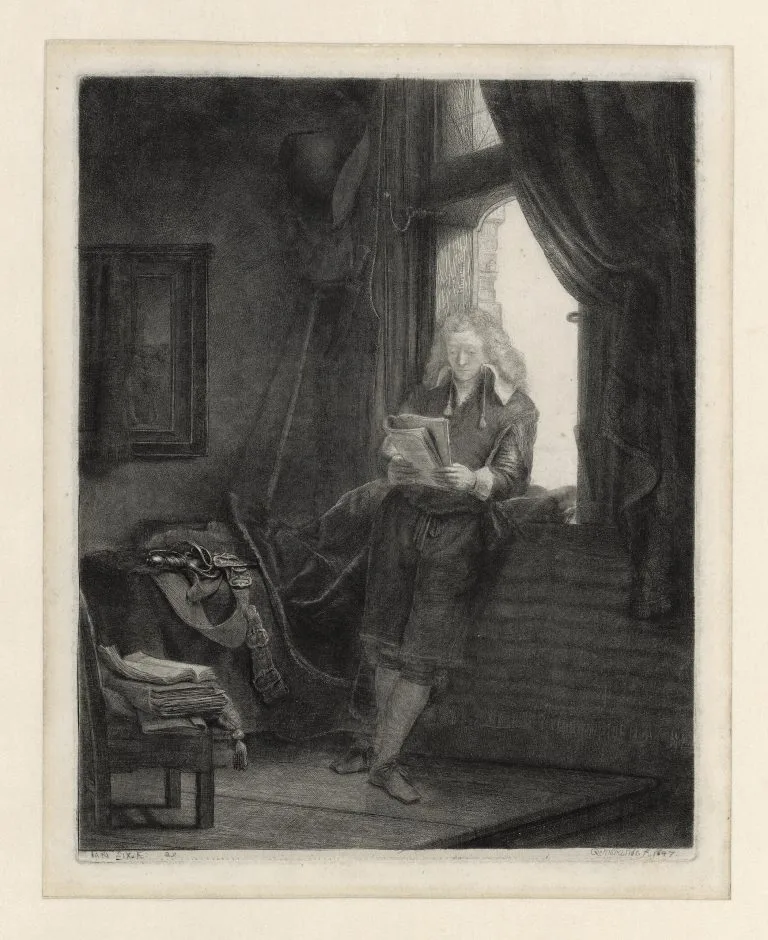
One of his closest personal relationships was with Jan Six, who grew up in a distinguished Amsterdam family and moved into the family home on the Kloveniersburgwal in 1632, at the age of thirteen. Rembrandt etched Six’s portrait in 1647 and painted him again in 1654, in an almost impressionistic style up close. In 1653, Rembrandt borrowed 1,000 guilders from the Six family and struggled to repay it, which cooled the friendship. Even so, the painted portrait and the original copper etching plate are still owned by the Six family today.
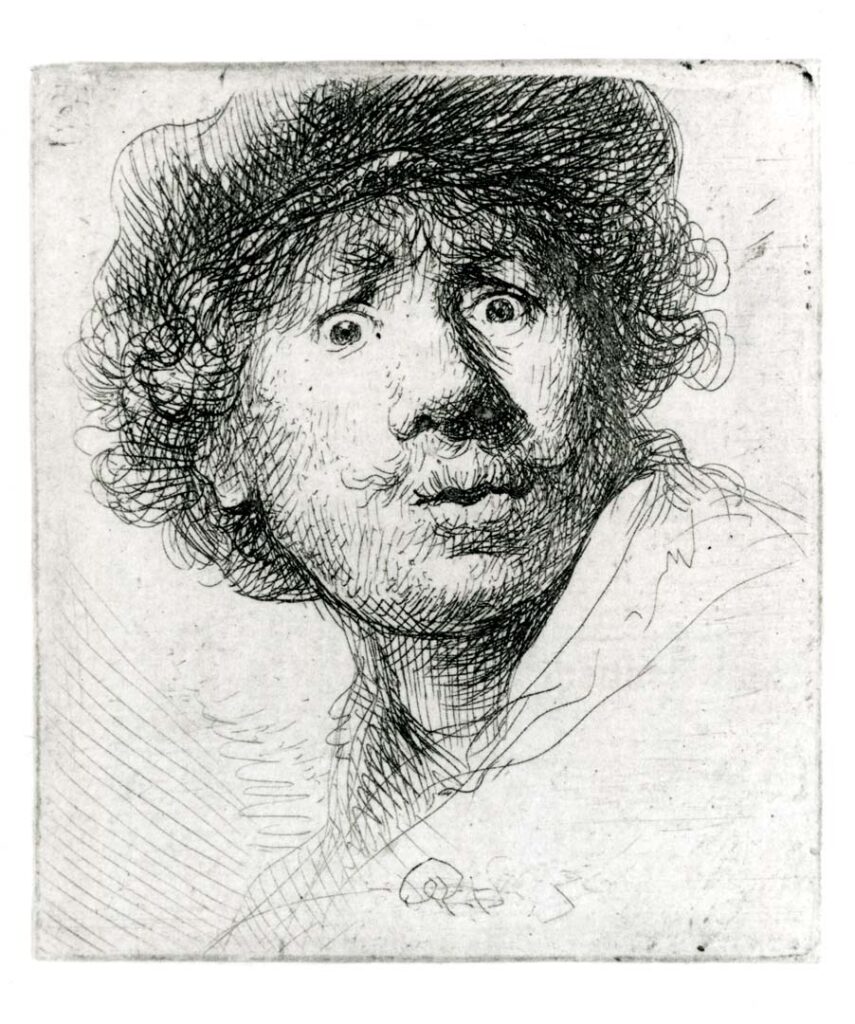
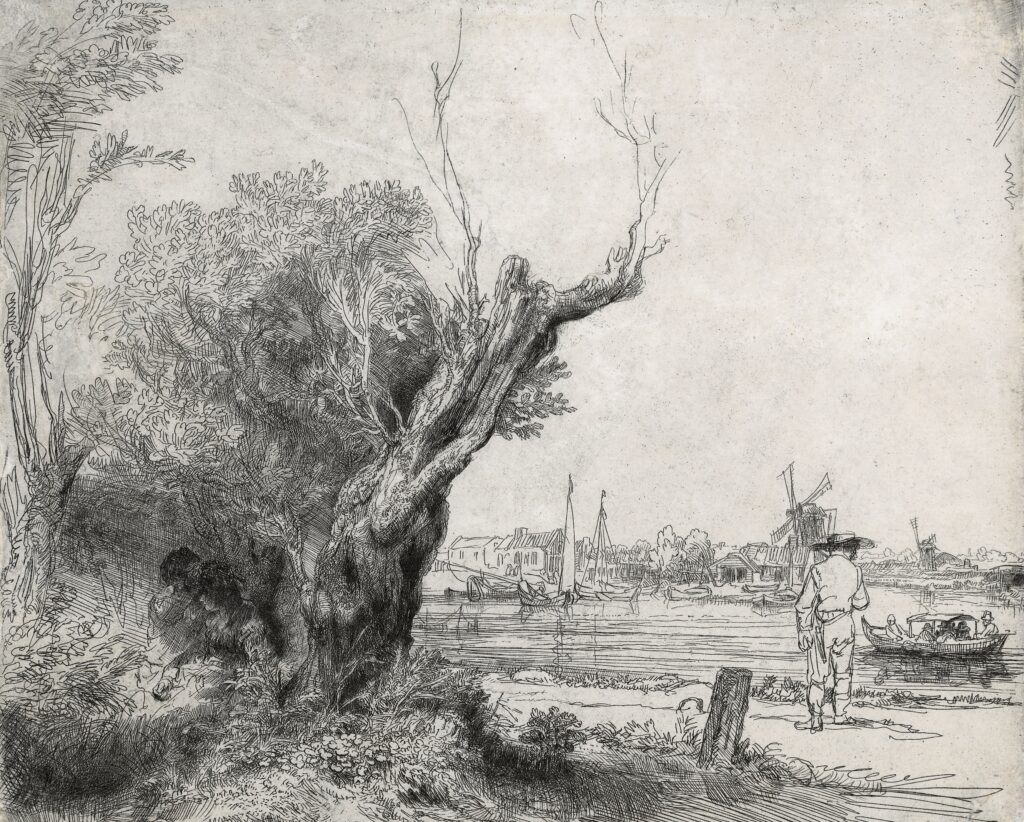
Rembrandt worked across three techniques throughout his career: painting, etching and drawing. Etching became one of his defining skills. According to Rembrandt House Museum, Rembrandt produced a large body of etchings, many of them created inside the atelier that visitors can still see today.
His subjects ranged from portraits and self-portraits to biblical and mythological scenes, and to the streets and buildings of Amsterdam itself: several of his drawings capture towers, bridges and gates that still stand in the city today, seen through his own eyes.

The best way to understand Rembrandt van Rijn is to stand where he stood. In 45 minutes through the house, you walk through the rooms where he lived, worked and raised his family, from the atelier with its north-facing light to the Kunstcaemer and the Epilogue room where his own inventory is on display.
See also the ticket prices.
Not done exploring yet? Discover more of Rembrandt's story.
Paintings, etchings and drawings by Rembrandt and his contemporaries.
Browse the collection →